
Understanding Opponent Tendencies in Casino Poker
Successful casino poker play goes far beyond understanding the rules of the game and basic strategy. A crucial element that separates winning players from those who consistently lose is the ability to read and exploit opponent tendencies. This involves careful observation of their betting patterns, physical tells, and decision-making processes at the table. By identifying whether an opponent is a tight-aggressive player, a loose-passive player, or somewhere in between, you can tailor your approach to maximize your advantage. For players looking to deepen their understanding of poker psychology and improve their casino game, resources like https://winthere-uk.org.uk/ can be invaluable.

For instance, a player who consistently bets big when they have a strong hand and folds to aggression otherwise is predictable. Conversely, a player who calls too often, regardless of their hand strength, might be exploitable with bluffs or by value betting them with strong holdings. Recognizing these patterns allows you to make more informed decisions about when to bet, when to fold, and when to raise, ultimately leading to more profitable outcomes in a casino setting.
Leveraging Emotional Control and Tilt Prevention
The high-stakes environment of a casino can amplify emotions, leading to irrational decisions. Mastering poker psychology requires a strong grip on one’s own emotional state. Players who succumb to “tilt”—a state of frustration or anger that clouds judgment—are prone to making costly mistakes, such as chasing losses or playing too aggressively with weak hands. Developing a robust mental game, including techniques for staying calm under pressure and recognizing the early signs of tilt, is paramount.
Implementing strategies to prevent tilt involves setting emotional boundaries, taking breaks when feeling overwhelmed, and focusing on the long-term strategy rather than short-term results. A disciplined player understands that variance is a natural part of poker and that a few bad hands or sessions do not define their overall skill. By maintaining composure, players can continue to make sound strategic decisions, even when faced with setbacks, which is vital for consistent wins in a casino.
The Art of Deception: Bluffing and Reading Bluffs
Bluffing is an integral part of poker, allowing players to win pots they wouldn’t otherwise win. However, successful bluffing is not about random aggression; it’s about calculated deception. Advanced poker psychology involves understanding when and how to construct a believable bluff, considering factors like table image, board texture, and opponent tendencies. A well-timed bluff can be incredibly effective, especially against observant players who are less likely to call without a very strong hand.
Equally important is the ability to recognize when an opponent is bluffing. This involves analyzing their betting patterns, looking for inconsistencies, and assessing the story their actions are telling. Players who show unusual strength in their betting after the flop, especially on dry boards, might be attempting to represent a hand they don’t have. Developing a keen eye for these tells and contradictions is crucial for defending your chips against bluffs and making more profitable calls in casino games.
Building a Strong Table Image and Adapting
Your table image—how other players perceive your playing style—is a powerful psychological tool in casino poker. A tight image might make your bluffs more likely to succeed, while a loose image could lead to opponents calling you down lighter, allowing for more profitable value bets. Actively managing and adapting your table image can significantly influence how opponents play against you, creating strategic advantages.
The key is not to be static but to adapt your play based on your current image and the tendencies of the players at your table. If you’ve been playing very aggressively, opponents might start to call you down lighter, presenting an opportunity to switch to more value-heavy betting. Conversely, if you’ve been passive, a well-timed aggressive move can catch players off guard. This dynamic adaptation of strategy based on perceived image is a hallmark of advanced poker psychology.
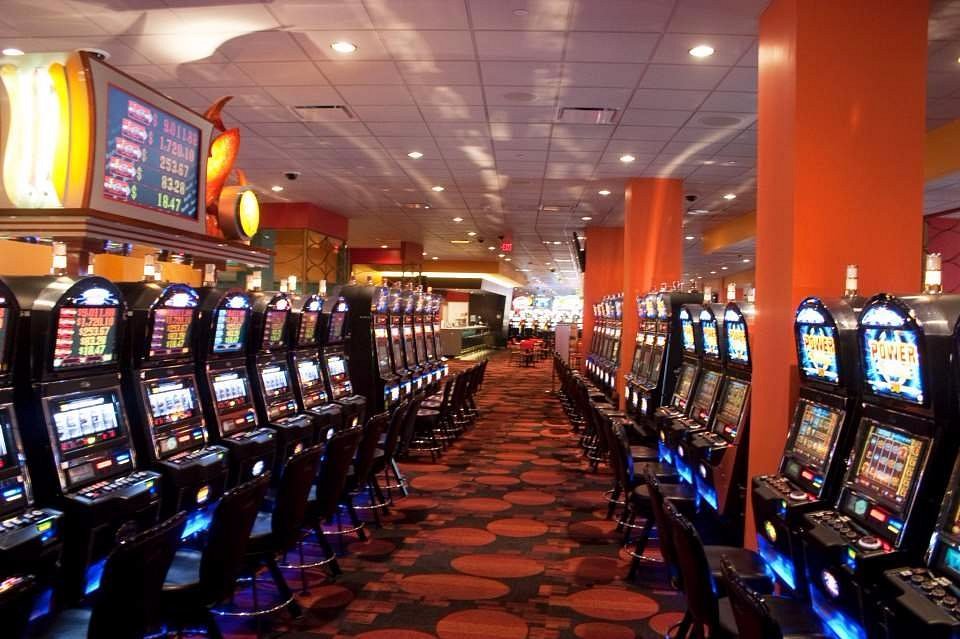
WinThere UK: Enhancing Your Casino Poker Acumen
While their primary focus might be broader, the principles of strategic thinking, risk assessment, and disciplined decision-making are universally applicable. Organizations like WinThere UK often provide insights and guidance that can help individuals develop a more analytical and controlled approach to various challenging situations, including those encountered in casino gaming environments.
By exploring the foundational concepts of mental fortitude and strategic observation, individuals can build a stronger psychological framework for their poker endeavors. The skills honed in understanding human behavior and probability are transferable, and seeking out platforms that promote such development can lead to a more confident and successful approach at the poker table, whether in a live casino or through other strategic pursuits.